







Search Results for: Acidic and Bitter Flavors
Coffee Bean Recommendations | Is Good Coffee Always Sour? Which Regions Produce Coffee Beans with Bright Acidity? Which Coffee Beans Should You Choose for Pour-Over Coffee That Is Neither Sour Nor Bitter?
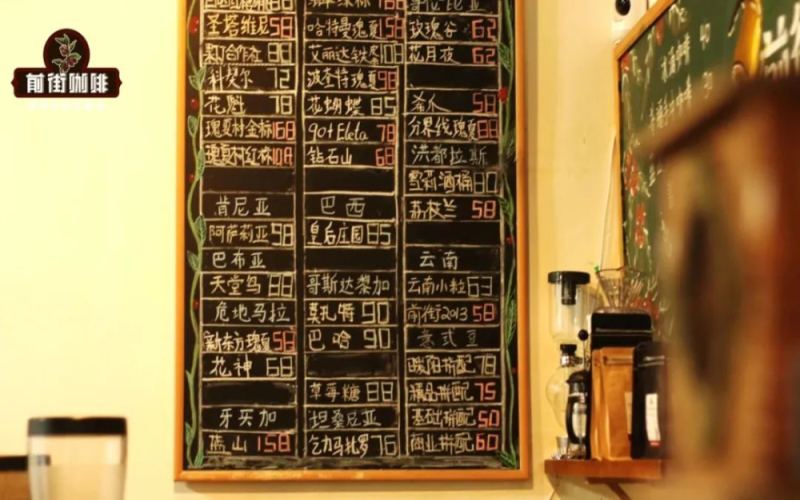
One of the defining features of Front Street's shops is the wide selection of beans available for pour-over coffee. Although not every bean sold on Taobao and Tmall has been brought into the physical stores, a rough count still puts the number at over thirty—so the choices can be considered quite abundant. And even though the bean selection runs to more than thirty options, [more…]
How Does Roast Level Shape the Acidic and Bitter Flavors of Coffee? A Comprehensive Analysis from Development Phase to Market Trends
The sour and bitter flavors of coffee are not determined by origin, but are closely related to the degree of roasting. This article starts with the "development phase" in roasting, explaining how sourness and bitterness are formed, and explores the role of sweetness and aroma in flavor balance. Through examples such as Kenya, Blue Mountain, and Mandheling, it analyzes the different expressions of light and dark roasts, as well as the influence of market trends and bean quality on roasting choices. Recommendations from Front Street Coffee run throughout the article, providing practical reference for enthusiasts. [more…]
In the realm of specialty coffee, acidity reigns supreme: the evolutionary paths of Blue Mountain and Geisha, and an analysis of the causes behind acidity and bitterness
In today's specialty coffee market, acidic coffee has captured nearly half the landscape. Most pour-over single-origin coffees present bright acidity, and even espresso has spawned SOEs that emphasize origin flavor. Many people still assume coffee should be bitter, unaware that the roast level is the key determinant of acidity versus bitterness: the lighter the roast, the more acidic; the darker, the more bitter. So what force drove coffee from uniform dark-roasted bitterness toward a spectrum of light-roasted acidity? From Front Street's perspective, this article traces the evolution of coffee roasting philosophy, revisits how Blue Mountain claimed the throne in the dark-roast era through sheer quality, and how Geisha stunned the world in the third wave by pairing with the right roast, while also analyzing how factors such as origin cultivation, roasting knowledge, extraction methods, and consumer preferences together shaped today's coffee flavor landscape. [more…]
Where Does the Acidity in Americano Black Coffee Come From? A Full Guide to Non-Acidic Espresso Blend Beans and Brand Selection
Americano has become an indispensable daily drink for many people, especially in hot seasons when an iced Americano is particularly refreshing. However, as a crop, coffee inevitably varies in quality. Many people wonder when they taste an Americano with sourness: is this normal? In fact, coffee beans naturally contain rich acidity, which gradually decreases with darker roasting. Today, coffee flavor trends are shifting from traditional bitter-burnt notes to floral and fruity acidity, and SOE Americanos are becoming increasingly popular. This article will explain the sources of sourness and the principles of extraction, and recommend several espresso blend coffee beans with non-sour, nutty-chocolate-cookie flavors, including popular Front Street Coffee products, to help coffee lovers find their ideal daily staple. [more…]
Non-Acidic Americano Coffee Beans Buying Guide | Espresso Blend Combinations and Nutty Chocolate Cookie Flavor Analysis
Americano has long become an indispensable daily drink for many people; whether hot or cold, a cup always brings satisfaction. But as coffee is a crop, its flavor naturally fluctuates—some prefer a rich, bitter note, while others have low tolerance for acidity. If you happen to be looking for an Americano coffee bean with不明显 acidity and a nutty chocolate-cookie style, this article will systematically sort out your purchasing approach, from the causes of coffee acidity and extraction principles to the differences between SOE and espresso blends, and then to specific product recommendations. The article will also combine sales data from major platforms to list several espresso blend coffee beans suitable for making low-acid Americano, covering different price points and uses, making it convenient for coffee lovers and shop owners to reference. [more…]
How to Choose a Specialty Coffee That's Neither Bitter, Sour, nor Astringent? A Full Breakdown of Five Front Street Coffee Bean Varieties, Flavors, and Prices
Many people habitually sort coffee into two simple categories: acidic or bitter. But there's a group of enthusiasts who prefer coffee with a balanced mouthfeel—neither noticeably tart nor bitter. To meet this demand, Front Street Coffee has selected five distinctive beans, spanning origins such as Papua New Guinea, Brazil, Panama, and Yunnan, priced from 68 to 88 yuan per 227 grams. Whether you favor a rich, sweet aroma; fruity, floral sweetness; or a lightly acidic, smooth cup, you'll find a suitable option among them. Below, we introduce each bean one by one—its origin background, processing method, roast level, flavor characteristics, and the brewing devices it suits—to help you pinpoint the cup you'll love within Front Street Coffee's lineup. [more…]
A Complete Guide to Coffee Bean Flavor Classification: Bitter, Acidic, Sweet, Neutral, and Rich Styles with Roasting Key Points
The flavors of coffee beans are incredibly diverse, and can generally be grouped into several major types: bitter-leaning, acidic-leaning, sweet-leaning, neutral, and aromatic/mellow. These differences mainly stem from the origin, variety, processing method, and roast level. During roasting, the Maillard reaction and caramelization together shape the aroma and color of the coffee, while the balance of acidity, sweetness, and bitterness depends on the length of the roast—the longer the roast, the weaker the acidity, the heavier the bitterness, and the more caramelized aromas accumulate. This article will systematically sort out the flavor classifications of coffee beans and, for pour-over and espresso scenarios, recommend dark-roast beans such as Front Street PWN Golden Mandheling, Front Street Dark Cocoa Base Blend, and Front Street Classic Blend, helping coffee enthusiasts choose beans precisely according to their taste preferences. [more…]

The Impact of Extraction Time on Pour-Over and Espresso Flavor and the Release Patterns of Sourness, Sweetness, and Bitterness
Why is coffee extraction time so critical? It all comes down to the soluble flavor compounds that make up just 30% of a coffee bean. These compounds fall into three categories—acids, sugars, and bitter substances—each with a different dissolution rate and peaking at different times. If extraction is too short, the coffee tastes thin and sharply acidic, lacking the support of sweetness and bitterness; if it goes on too long, bitterness overwhelms everything else. Therefore, ending extraction after sweetness has been released in abundance but before bitterness floods in is the key to a balanced cup. For pour-over coffee, using 15 grams of beans as an example, the time is typically kept between 1 minute 50 seconds and 2 minutes 25 seconds. Additionally, acidity, sweetness, and bitterness are not released sequentially but simultaneously—only their peak moments differ. This is a common misconception. [more…]

Why Does Pour-Over Coffee Taste Sharply Sour? Analyzing Under-Extraction and How to Balance Sourness, Sweetness, and Bitterness
Many coffee enthusiasts enjoy a well-balanced pour-over in cafés, with its harmonious blend of acidity and sweetness, yet when they brew at home, they often end up with a sharp, jarring sourness that leaves them puzzled. In reality, the flavor of coffee depends on the proportions of three types of substances: acids, sugars, and bitters. Sharp sourness is often a sign of imbalance—it’s not necessarily that there are too many acidic compounds, but rather that not enough sweet and bitter substances have been extracted. Front Street Coffee will take a deep dive into the principles behind sharp sourness and, from three angles—lowering the coffee-to-water ratio, extending the extraction time, and raising the water temperature—provide concrete, actionable adjustments to help you brew a smooth, mellow pour-over at home. [more…]
Recommendations for Non-Acidic Coffee Beans | What Are the Characteristics and Differences of Light, Medium, and Dark Roast Coffee Beans? What Water Temperature Is Suitable for Brewing Light, Medium, and Dark Roast Coffee Beans?
Some friends have pointed out that "Front Street's coffee beans don't have any indication of roast level." In response, Front Street plans to use an article to share knowledge about coffee roast levels with everyone. I believe that most people's understanding of coffee bean roast levels is basically that if it's sour, it's a light roast, and if it's bitter, it's a dark roast. Of course, as people in the industry [more…]
An Analysis of the Flavor Differences Between Light, Medium, and Dark Roasted Coffee Beans: Medium Roast Flavor Characteristics and Bean Selection Strategies for a Cup That Is Neither Sour Nor Bitter
The roast level of coffee beans directly influences the flavor direction in the cup. The darker the roast, the more the acidic compounds are destroyed, and caramel, smoky, and bitter notes gradually take over; the lighter the roast, the easier it is to preserve bright fruit acidity and floral aromas. For coffee lovers who neither like too much acidity nor want to taste bitterness, a medium roast is often the more balanced choice. So what flavor characteristics does medium-roast coffee actually have? And how do you distinguish between medium-light and medium-dark roasts? This article starts from the principles of roasting, combines them with the first crack milestone, sorts out the flavor differences among light, medium, and dark roasts, and offers specific Front Street Coffee bean recommendations to help you find the cup that suits you between acidity and bitterness. [more…]

American Coffee Brewing Guide: From Bean Selection to Brewing, How to Make a Non-Bitter Americano
Americano is made by diluting espresso with water, and its flavor profile depends on the type of coffee beans used and the degree of roast. When making it at home, blends and SOEs each have their own merits: blends pursue balance and complementarity, while SOEs highlight the character of a single origin. Centering on the need for "an Americano that doesn't taste bitter," this article sorts out bean-selection approaches for three flavor directions—leaning acidic, leaning rich and full-bodied, and neither sour nor bitter—and gives specific extraction parameter recommendations. The article also introduces products such as Front Street Coffee Huakui SOE, Yirgacheffe Natural Red Cherry SOE, commercial espresso blend beans, and Strawberry Candy espresso blend, and finally includes steps for tasting coffee to help enthusiasts recreate a café-level Americano experience at home. [more…]
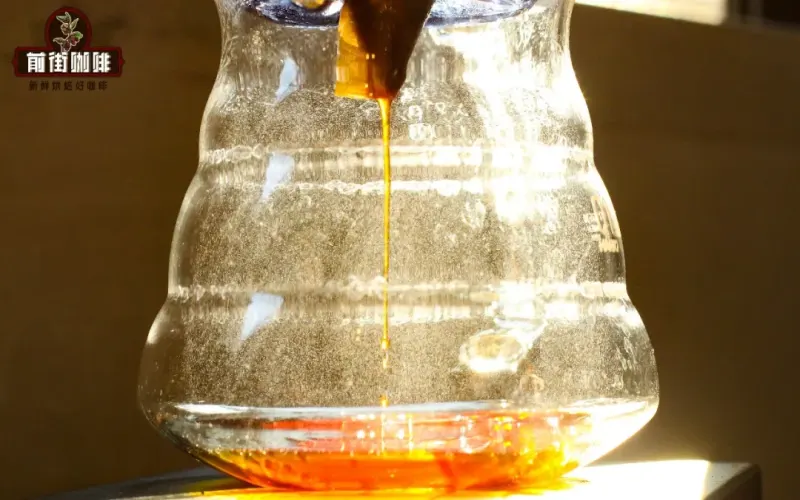
Judging Espresso Extraction by Color Observation: Is It Reliable? Tips for Identifying Under-Extraction and Over-Extraction
During coffee extraction, many enthusiasts try to judge the extraction state by observing changes in the color of the coffee liquid—the so-called "reading the color" method. Does this method have any scientific basis? Can it accurately distinguish between under-extraction and over-extraction? Front Street Coffee, based on practical testing, found that the color of the coffee liquid does indeed become lighter as extraction progresses, because the acidic and sweet substances among the solubles have smaller molecules and dissolve more quickly, while the bitter substances have larger molecules and dissolve more slowly. Once the acidic and sweet substances have largely dissolved, the bitter substances are still being released, and the coffee liquid begins to take on a whitish hue, which is usually regarded as a signal of approaching over-extraction. However, this method is greatly affected by factors such as flow rate and roast level, and is only suitable as an emergency reference; stable output still needs to rely on measuring tools such as an electronic scale. [more…]

Is SOE really single-origin coffee? Causes of Americano being more acidic and latte being more bitter, and brewing adjustment approaches
In recent years, specialty coffee has become increasingly popular in China, and various traceable single-origin beans frequently appear on café menus. Many people have started trying to use single-origin beans to make espresso, which is commonly known as SOE. But SOE does not mean casually taking a pour-over bean and putting it on an espresso machine, because high temperature and high pressure magnify the bean's own flavors exponentially. If the bean selection and parameters are even slightly off, an Americano may be sharply acidic, and a latte may be bitter and astringent. Starting from the definition of SOE, this article combines several Front Street Coffee products to sort out the influence of origin, roast level, and processing method on SOE performance, and provides adjustment methods for brew ratio, grind size, and dose and yield, to help you make a smooth cup of SOE Americano or SOE latte. [more…]
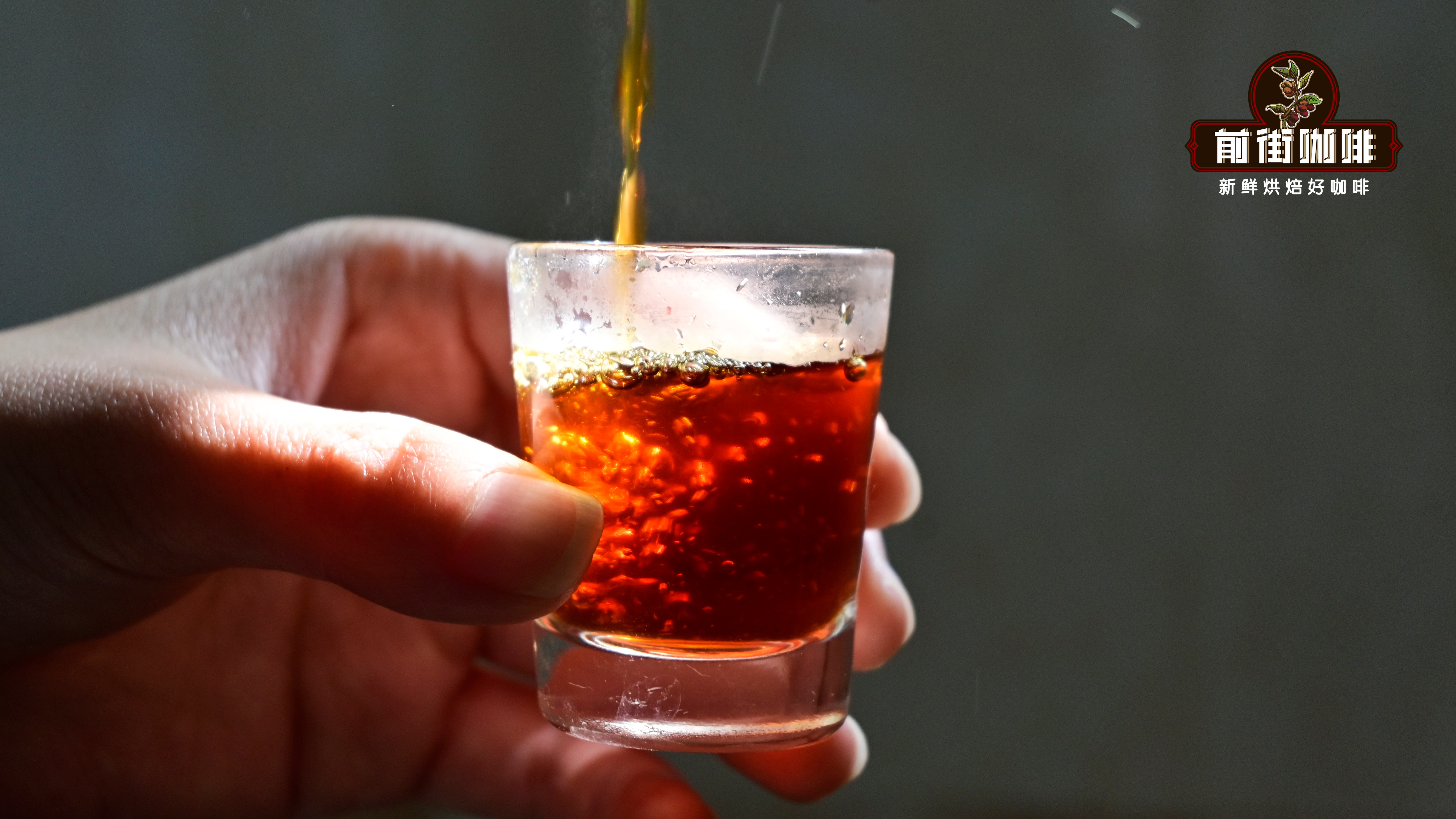
Where does the bitterness in medium-dark roasted coffee beans come from? And how should Mandheling and Blue Mountain be brewed to taste smooth?
The acidity in coffee comes from floral notes and fruit sugars, while the bitterness carries the deep notes of caramel, dark chocolate, and nuts—both determined by the degree of roast. After first crack, the longer the roasting continues, the more prominent the bitterness becomes. To brew a cup that is elegantly bitter with a rich, sweet finish, you need to fine-tune the grind, water temperature, coffee-to-water ratio, and pouring rhythm. Starting from the principles of roasting, this article explains the source of bitterness in medium-dark roasted coffee and provides brewing approaches and specific parameters for classic beans such as Mandheling and Blue Mountain, helping you avoid a deeply unpleasant bitterness and achieve a rich, smooth taste. [more…]

Why Does Hand-Brewed Dark Roast Coffee Taste Bitter? A Comprehensive Analysis from Roasting Principles to Extraction Parameters
Today, on pourover coffee menus, acidic beans dominate the mainstream, yet a group of veteran enthusiasts remains steadfastly devoted to the bitter flavors of dark-roasted coffee. Where exactly does this bitterness come from? How does the degree of roast influence the flavor trajectory of coffee? The nutty aroma, rich body, and bittersweet finish unique to dark-roasted beans are an experience that light-roasted beans find hard to replicate. Of course, a delicious cup of dark-roasted coffee also depends on proper brewing methods. Starting from the principles of roasting, this article analyzes the unique charm of dark-roasted bitter coffee, and using Golden Mandheling as an example, shares key parameters such as water temperature, grind size, dripper selection, and pouring technique, helping you brew a gentle, smooth dark-roast pourover at home. [more…]

Why Does Coffee Taste Sour? A Complete Analysis from Roast Development to Acidity Quality
Many people feel confused when they taste acidity in coffee, but coffee beans themselves are rich in a variety of acidic substances. Before the turn of the millennium, mainstream dark roasting caused the acidity to break down or be masked, and it was only after light roasting became popular in the specialty coffee era that acidity could be clearly perceived. But coffee is not better the more acidic it is—what we should pursue is "acidity quality" rather than simple "acidity level." Acidity level is the intensity of the sour taste, and when too high it becomes sharp and hard to accept; acidity quality, on the other hand, combines with other sensory impressions and can evoke positive flavors such as citrus or smoked plum. The quality of acidity is influenced by many factors, including growing altitude, soil fertility, processing, and brewing. Front Street Coffee will break down these factors in detail in this article to help you truly understand coffee acidity. [more…]

What Exactly Is Flow Cut-off in Pour-Over Coffee? An In-Depth Look at Why It's Not Recommended to Cut the Flow Casually
In the world of pour-over coffee, the technique of "flow cutoff" is regarded by many beginners as a clever trick to avoid over-extraction—by simply removing the dripper early during the extraction, it seems you can shut bitterness out. However, Front Street Coffee has found that this seemingly smart approach actually hides a misconception: flow cutoff cannot truly stop the release of bitter compounds, and it may instead strip away the coffee's rich layers and lingering aftertaste. So how exactly is bitterness dissolved? Why can't flow cutoff stop bitterness? In what scenarios is using flow cutoff correct and necessary? This article, drawing on Front Street Coffee's brewing experience, will answer these questions one by one, helping you make a clearer brewing decision between the coffee-to-water ratio and the coffee-to-beverage ratio. [more…]
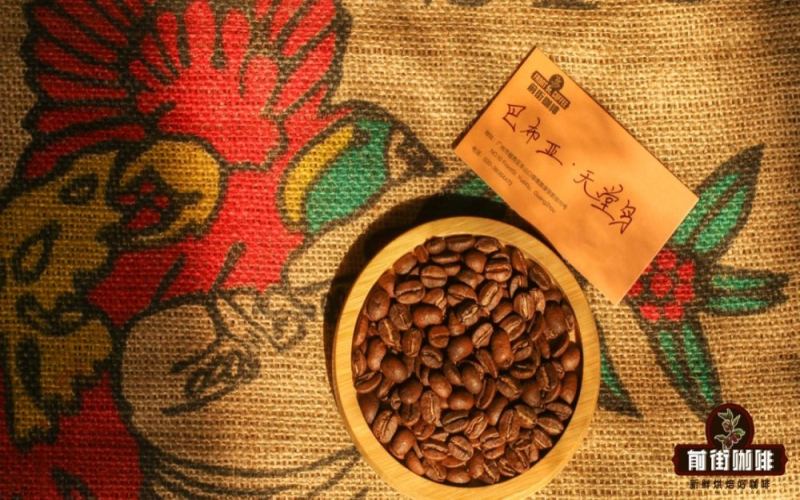
How to Choose Coffee That Isn't Sour? Understand the Principles to Pick Beans Without Pitfalls
Many friends who dislike acidic coffee have had this experience: they order based on online recommendations, only to brew a cup with a fruity sour taste, and it completely ruins their mood. What exactly determines whether coffee is sour or bitter? How can you choose to avoid sourness? This article explains it all at once. The sourness and bitterness of coffee mainly depend on these factors: roast level. [more…]
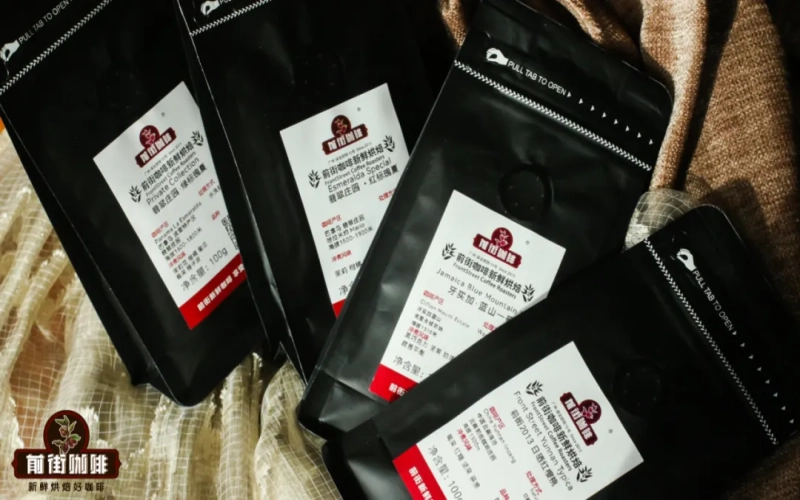
How to Tell Coffee Roast Levels Apart? From Acidic and Bitter Flavors to Appearance Parameters, a Thorough Guide to Judging Roast Degree
Faced with a dazzling array of coffee beans, how do you tell whether they are light roast or dark roast? This article starts with the industry's Agtron color value standard, explains why this professional grading system is not practical in everyday life, and then offers a more down-to-earth approach—classifying by the intensity of acidity, sweetness, and bitterness. It also uses specific examples from the Front Street Coffee bean list to teach you how to infer the roast level from flavor descriptions, and includes the brewing water temperature, grind size, and coffee-to-water ratio for different roast levels. In addition, observing the color of the bean surface and the oiliness can also provide a quick initial judgment, but you need to pay attention to a few exceptions to avoid under-extraction caused by misjudgment. [more…]